Why Qubit Connectivity Shapes Quantum Computer Design
The pattern of physical connections between qubits determines which operations a quantum processor can perform directly and how much extra work is needed to run a circuit.
By The Quantum Lab desk
Written in-house by the The Quantum Lab desk — an explainer, not a report of a news event.
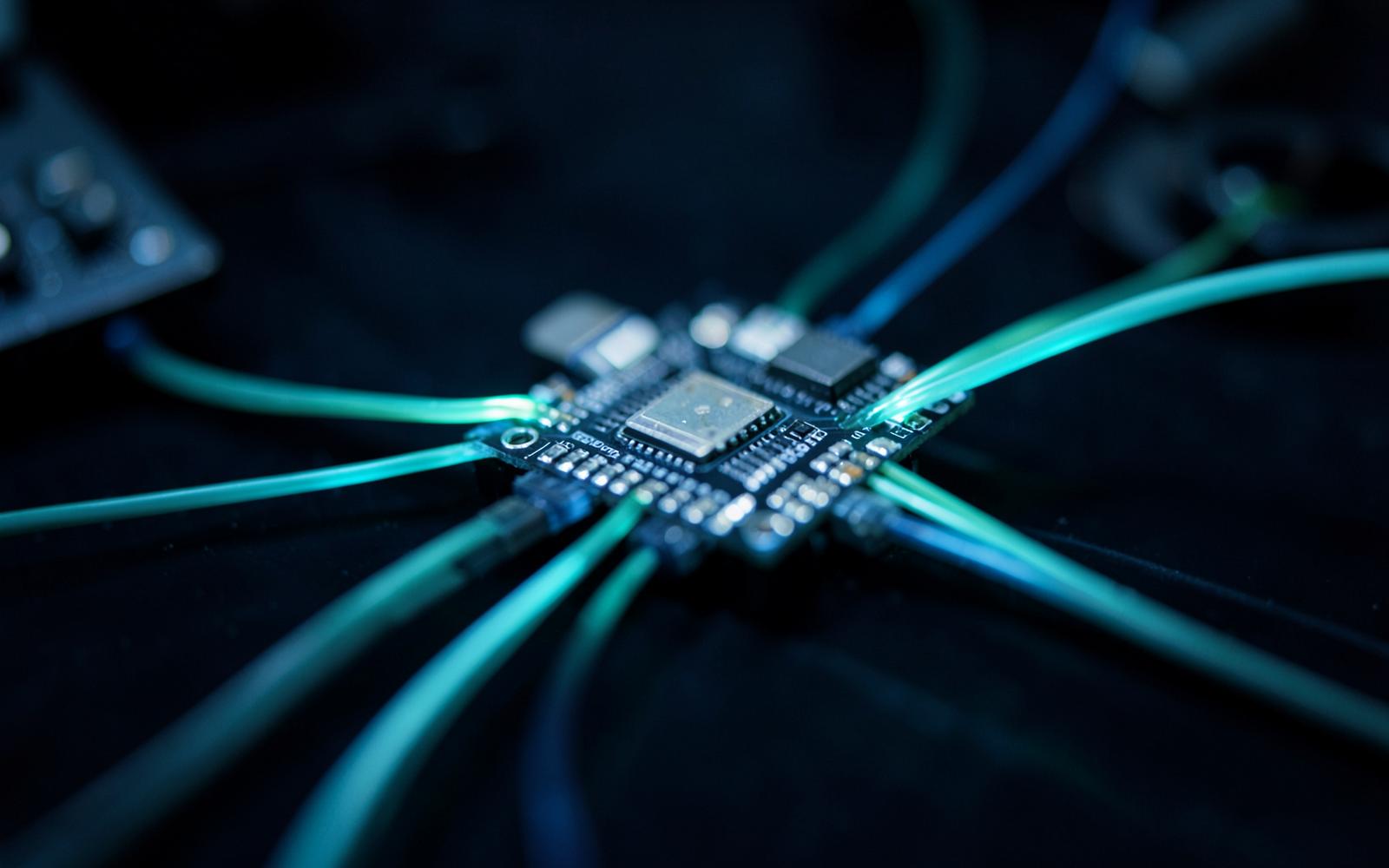
- Limited connectivity requires routing operations that add time and errors to quantum circuits.
- Greater connectivity can simplify circuits but usually increases hardware and control complexity.
- Useful processor design depends on matching connectivity, native gates and error-correction requirements.
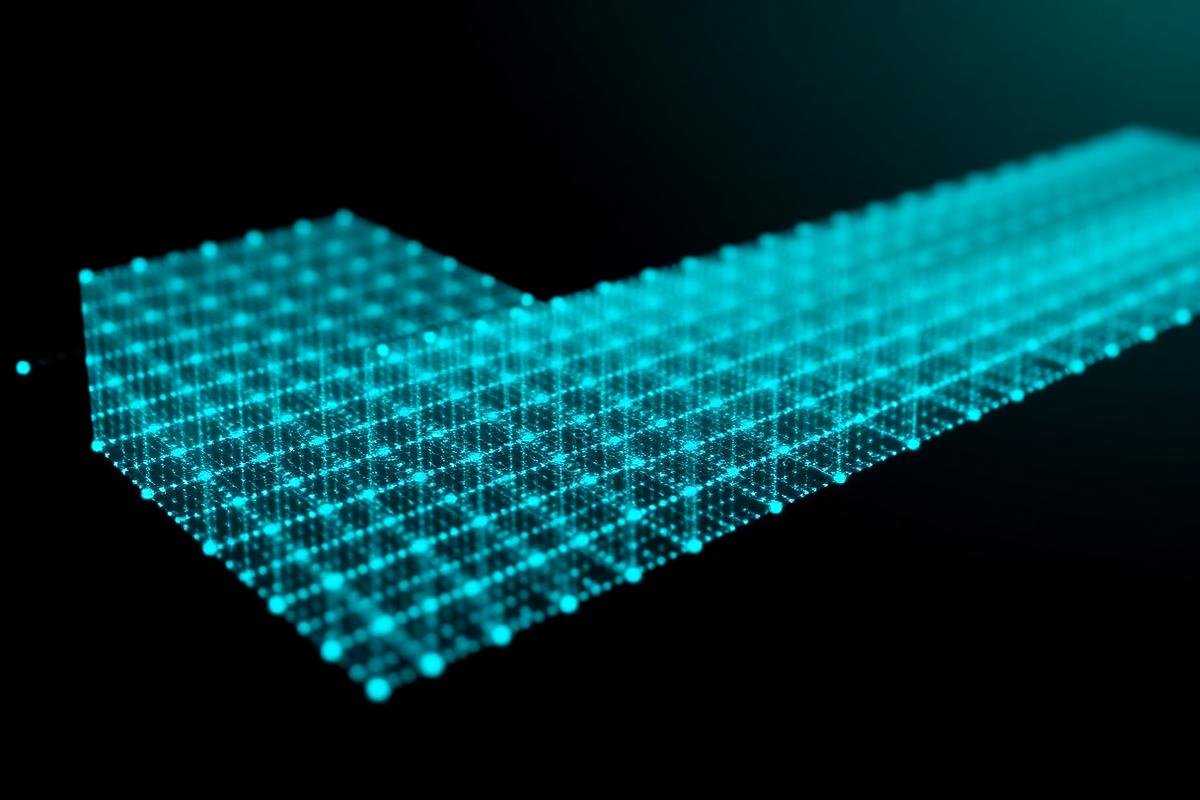
A quantum processor's connectivity describes which pairs of qubits can interact through native two-qubit gates. Some platforms use nearest-neighbor layouts, while others support longer-range or reconfigurable interactions. This structure is often represented as a graph, with qubits as vertices and available couplings as edges.
When an algorithm requests a gate between qubits that are not directly connected, a compiler must route quantum information through the device. A common method inserts SWAP gates, each of which is typically decomposed into several native two-qubit operations. These additions increase circuit depth and expose the computation to more noise.
Dense or all-to-all connectivity can reduce routing overhead, but it is not free. Extra couplers, optical paths or control channels can complicate fabrication, calibration and scheduling, while unwanted interactions may produce crosstalk. Engineers therefore balance connectivity against gate quality, controllability and physical layout.
Connectivity also influences quantum error correction. Many leading codes rely on repeated interactions among nearby data and measurement qubits, making regular two-dimensional layouts attractive even when their connectivity is limited. Other architectures can use long-range links, but those links must still meet demanding requirements for fidelity and timing.
Hardware-aware compilers map logical circuits onto the available connectivity while considering gate errors, operation durations and qubit performance. The best mapping may change as a processor is recalibrated because not all qubits and couplings behave equally well. Connectivity is therefore both a fixed property of an architecture and a practical constraint that software must continually manage.
This story started as a thread in our Discord. Join the discussion with the researchers and engineers who work on it.
Related
Surface-code processor stays below threshold as it scales to 1,000 qubits
The logical error rate keeps falling as the code distance grows — the clearest sign yet that adding qubits now buys reliability instead of noise.
Trapped-ion shuttling record pushes two-qubit fidelity past 99.9%
Moving ions between zones used to cost coherence. A revised trap geometry makes transport nearly free.

Open-source compiler cuts logical-qubit overhead by a third
A new lattice-surgery scheduler squeezes routing overhead out of fault-tolerant circuits, and it ships under a permissive license.